
Let's learn simply.
The best solution to reduce your electricity bill and get uninterrupted power during outages is an Off-grid Solar System. Here, we store the electricity generated by sunlight in batteries and use it for our needs.
These components are essential for the system to function correctly:
Captures sunlight and generates Direct Current (DC) electricity.
Controls the electricity coming from panels and safely charges the batteries.
Stores electricity to be used during the night or rainy days.
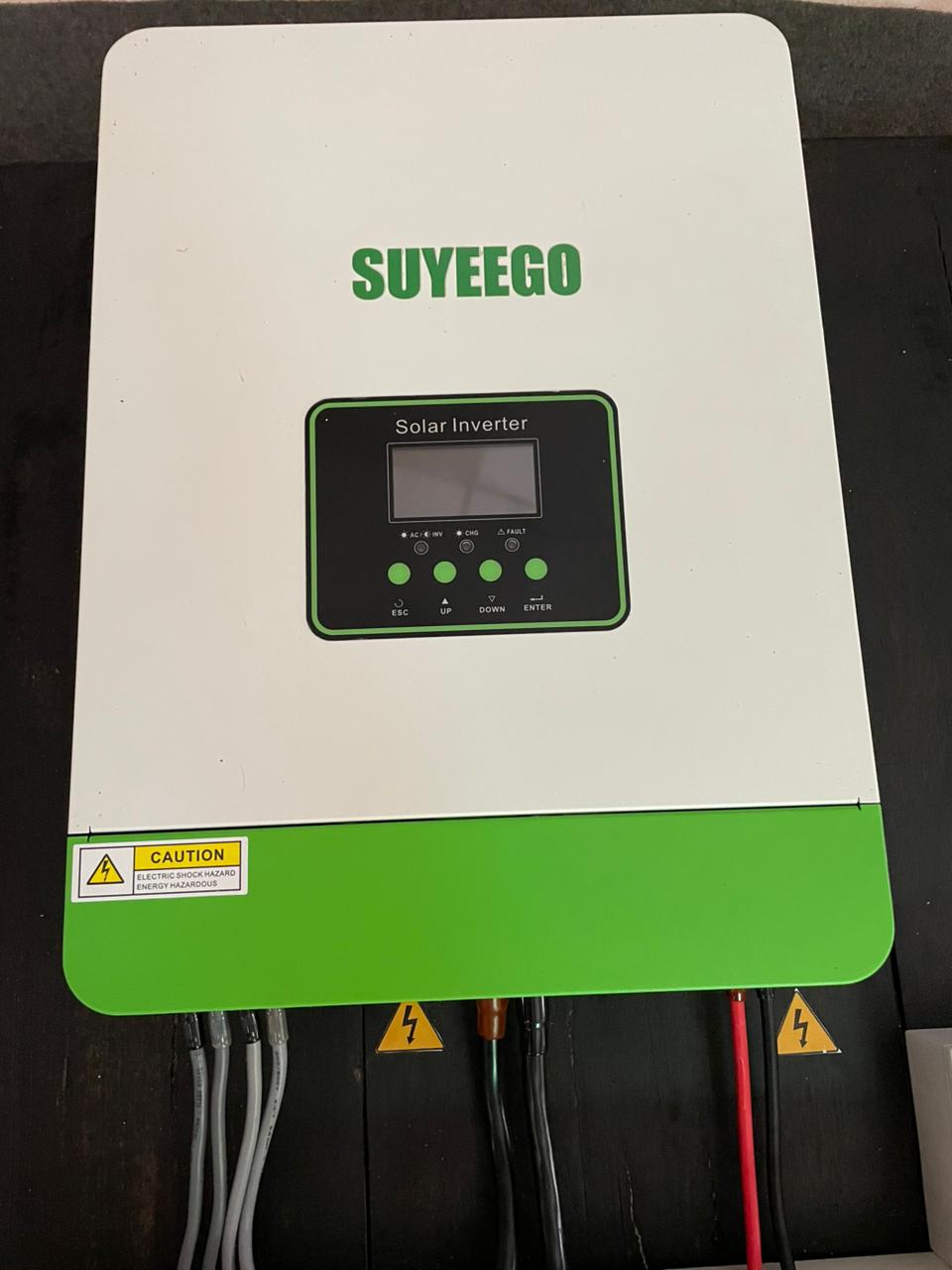
Converts the DC electricity in batteries into AC electricity needed for home appliances.
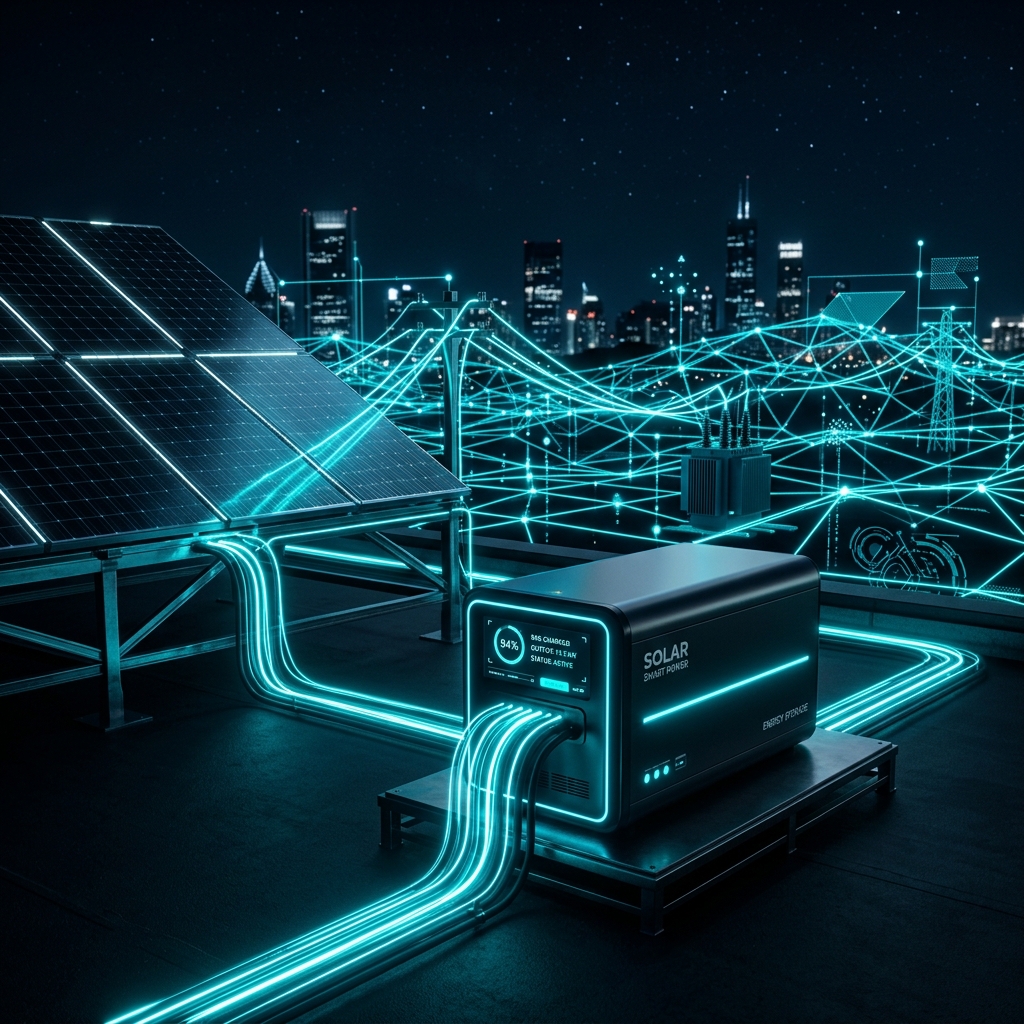
Solar panels generate electricity. A portion is used to run home appliances, and the rest charges the batteries.
Since there is no sunlight, the electricity stored in batteries is used for the house through the inverter.
The main services provided by Kutuss Design Lab (Pvt) Ltd are listed below.
Custom designing 12V, 24V, and 48V battery packs using LiFePo4, Nissan Leaf Modules, and Li-Ion based on your needs.
Designing durable and safe battery packs for electric bicycles and motorcycles.
Designing power backup systems that provide uninterrupted electricity during power outages.
Accurately calculating and designing Off-grid systems required for your home or business.
It's crucial to choose the right solar system based on the number of units used at home.
First, check your monthly electricity bill. It states the total units used per month.
In Sri Lanka, a 1kW solar system can generally produce 3.5 to 4 units a day.
| Monthly Units | Required Capacity (kW) |
|---|---|
| Up to 60 - 90 Units | 1 kW System |
| Up to 120 - 150 Units | 1.5 kW - 2 kW System |
| Up to 250 - 300 Units | 3 kW System |
| Up to 450 - 500 Units | 5 kW System |
For lights, fans, and a fridge at night, a 100Ah - 200Ah battery system is generally sufficient.
Lithium Batteries (LiFePO4): This is the best choice. Lasts longer with minimal maintenance.
Before installing solar, replacing normal bulbs with LED bulbs and minimizing waste allows you to go for a lower capacity, cost-effective system.
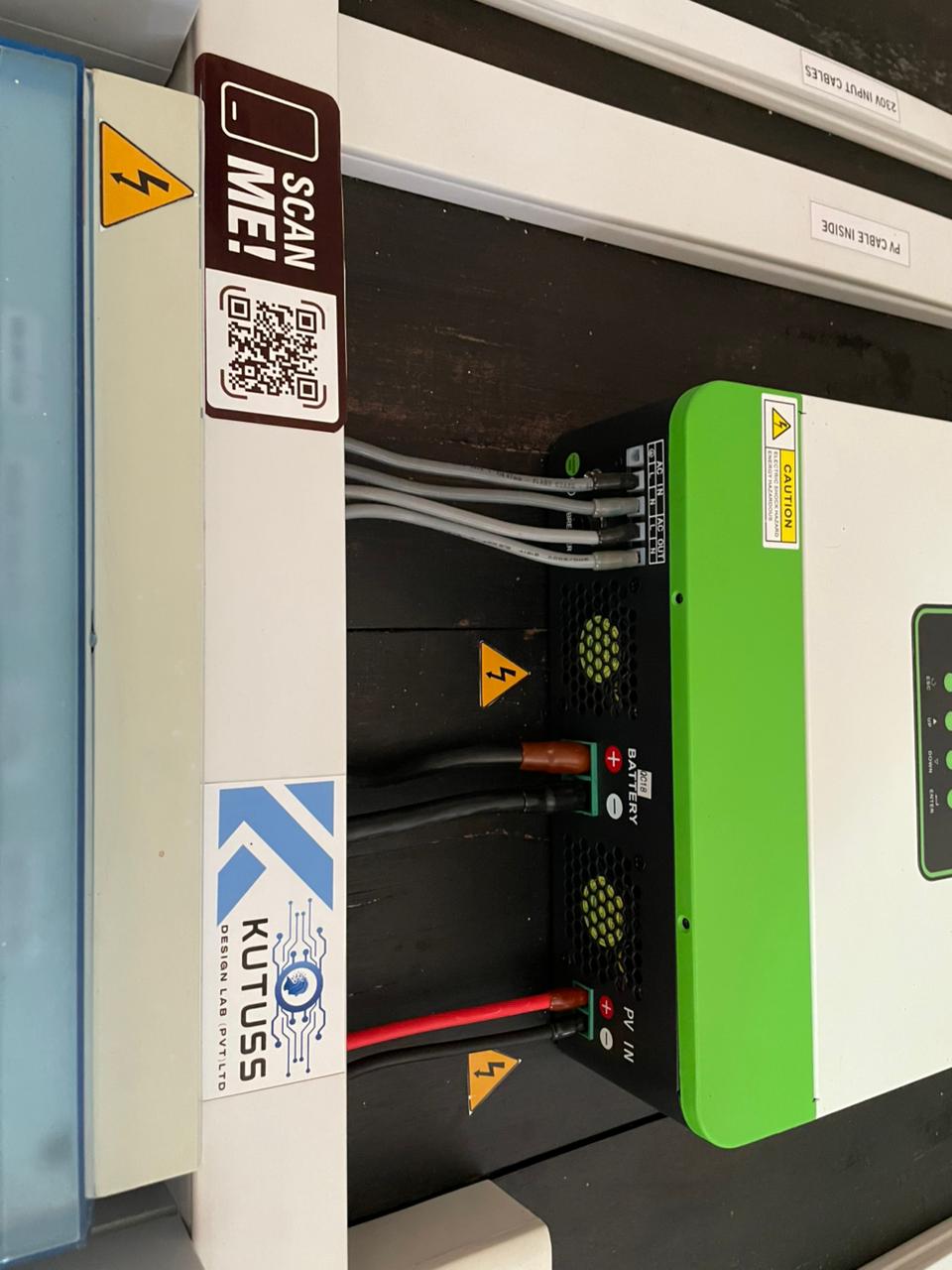
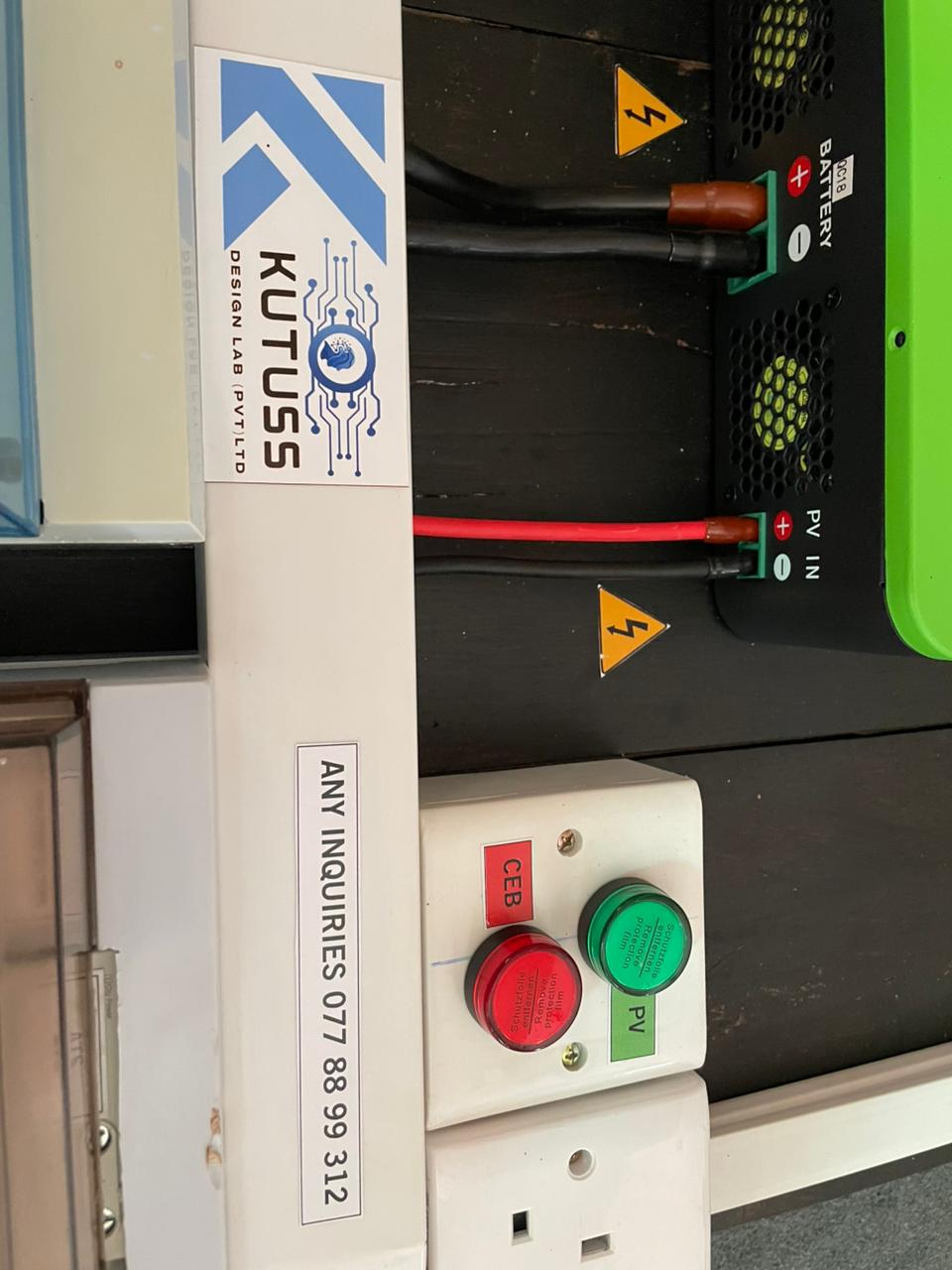
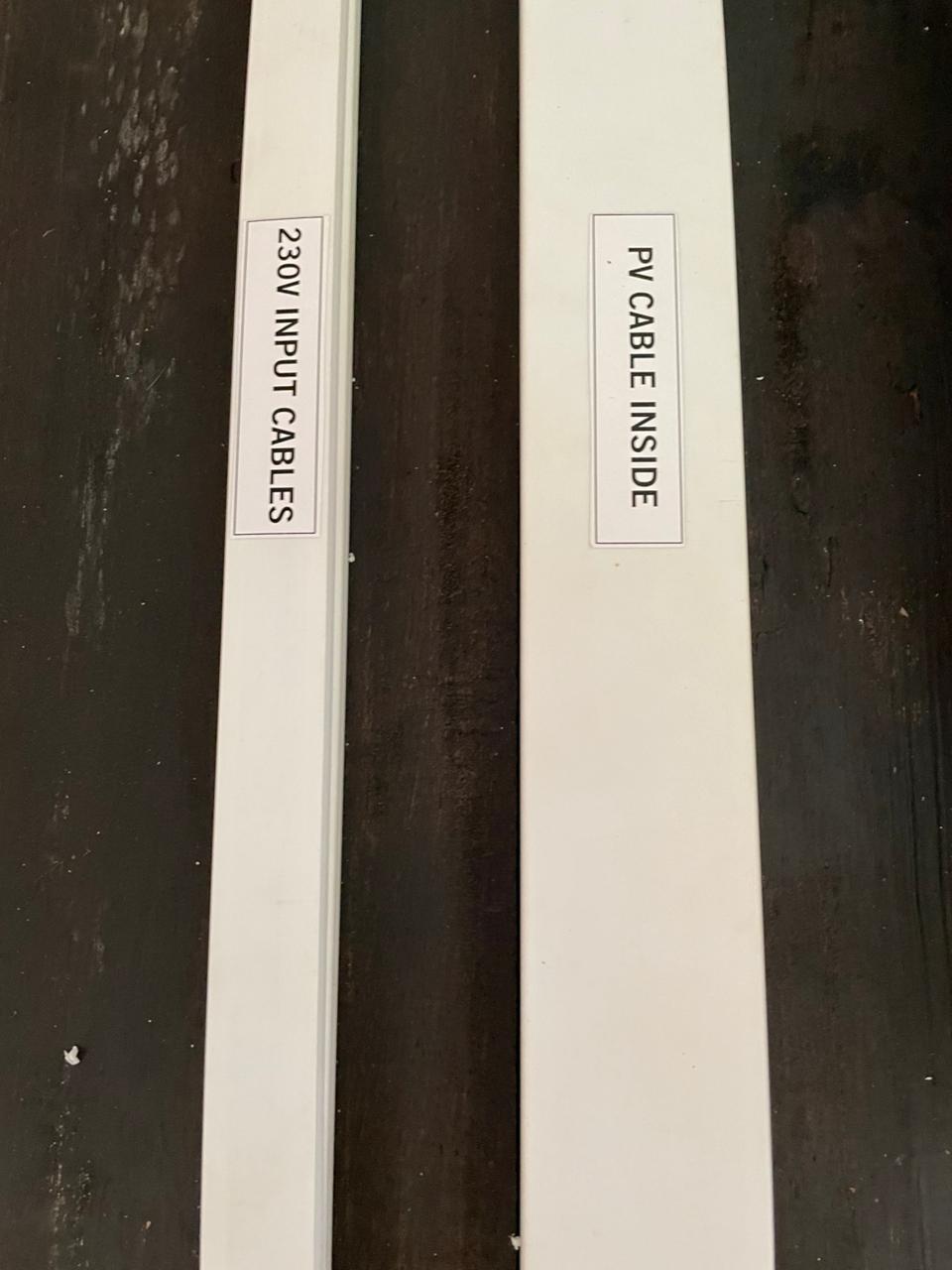
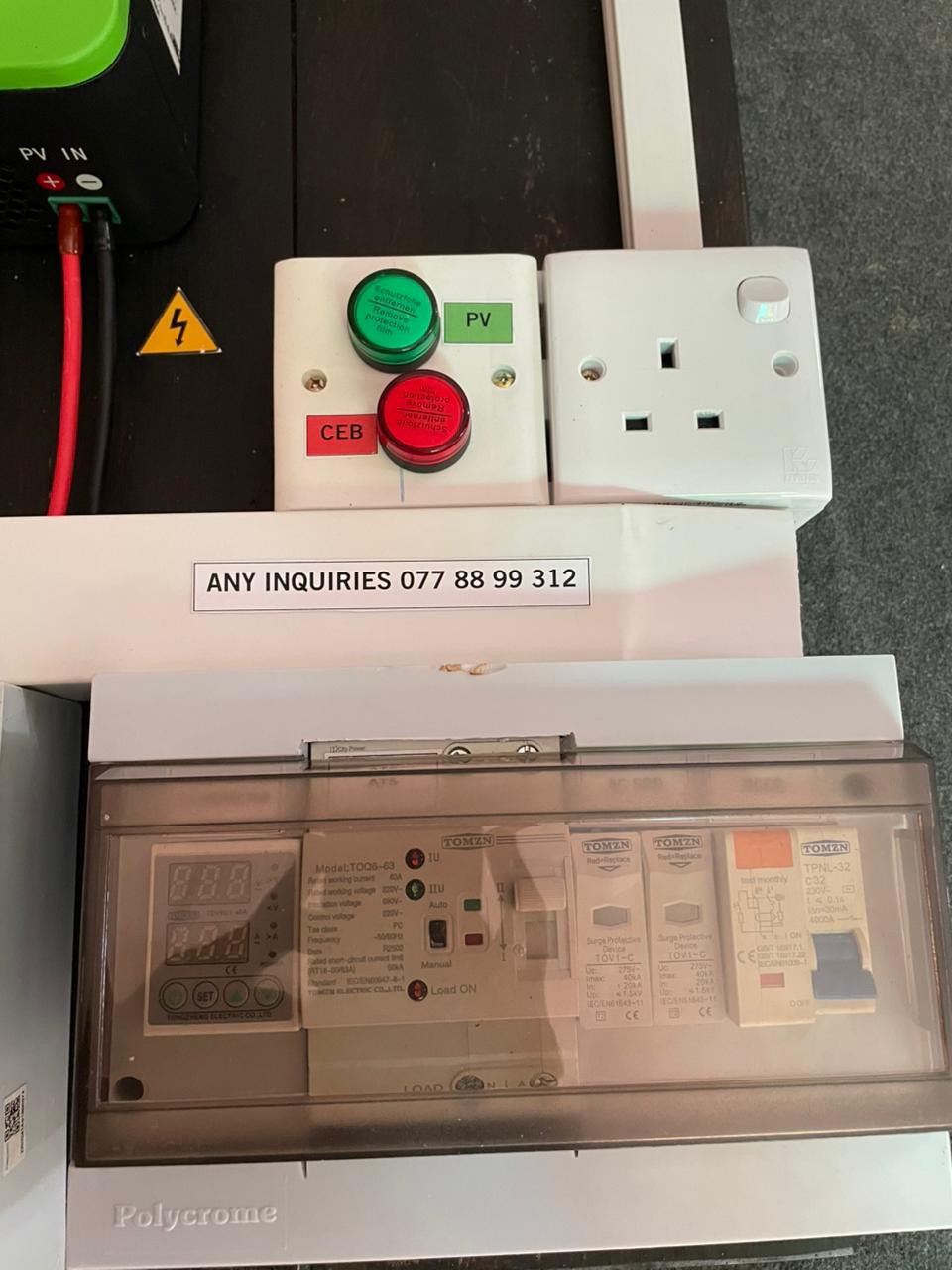
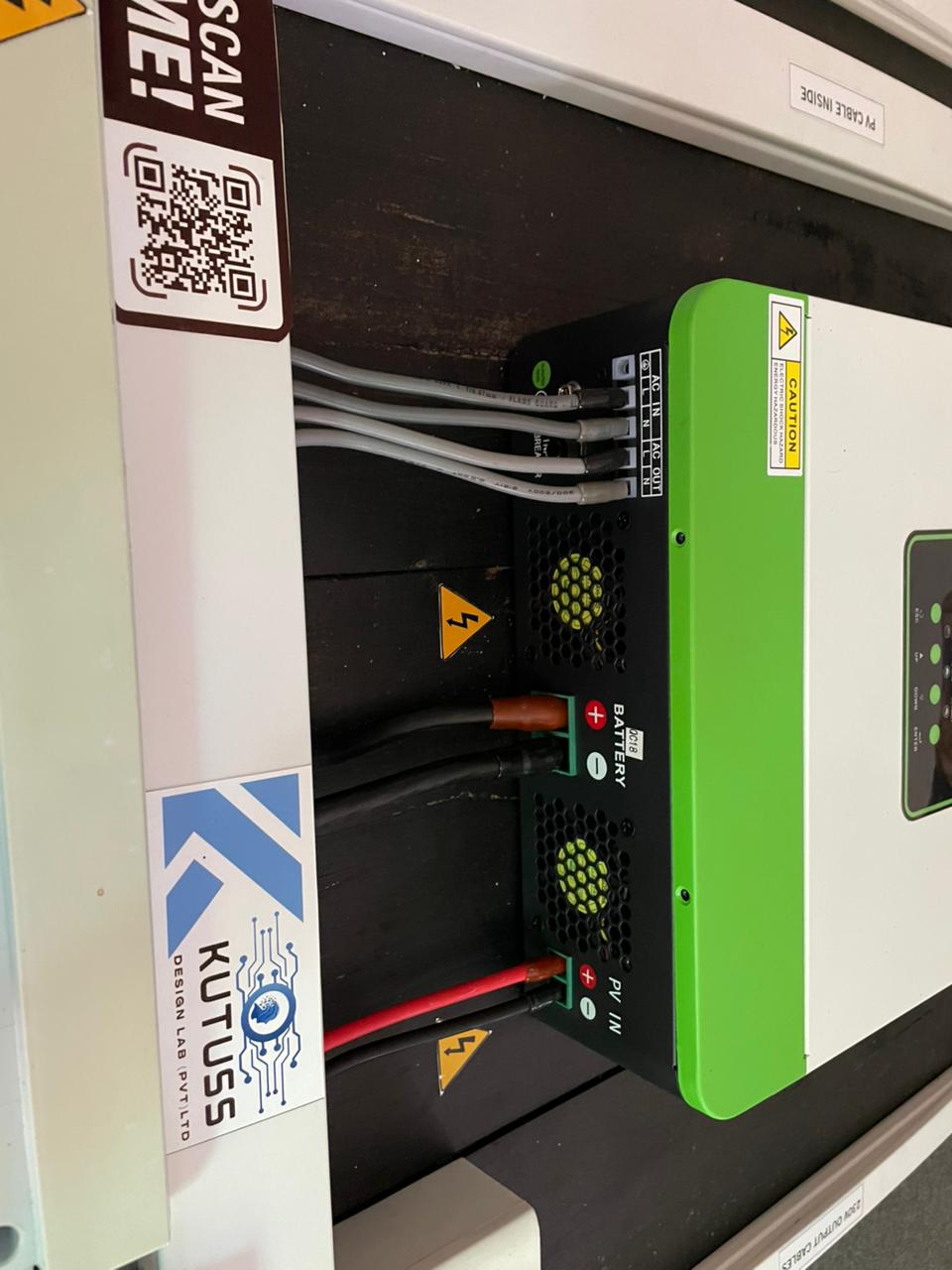
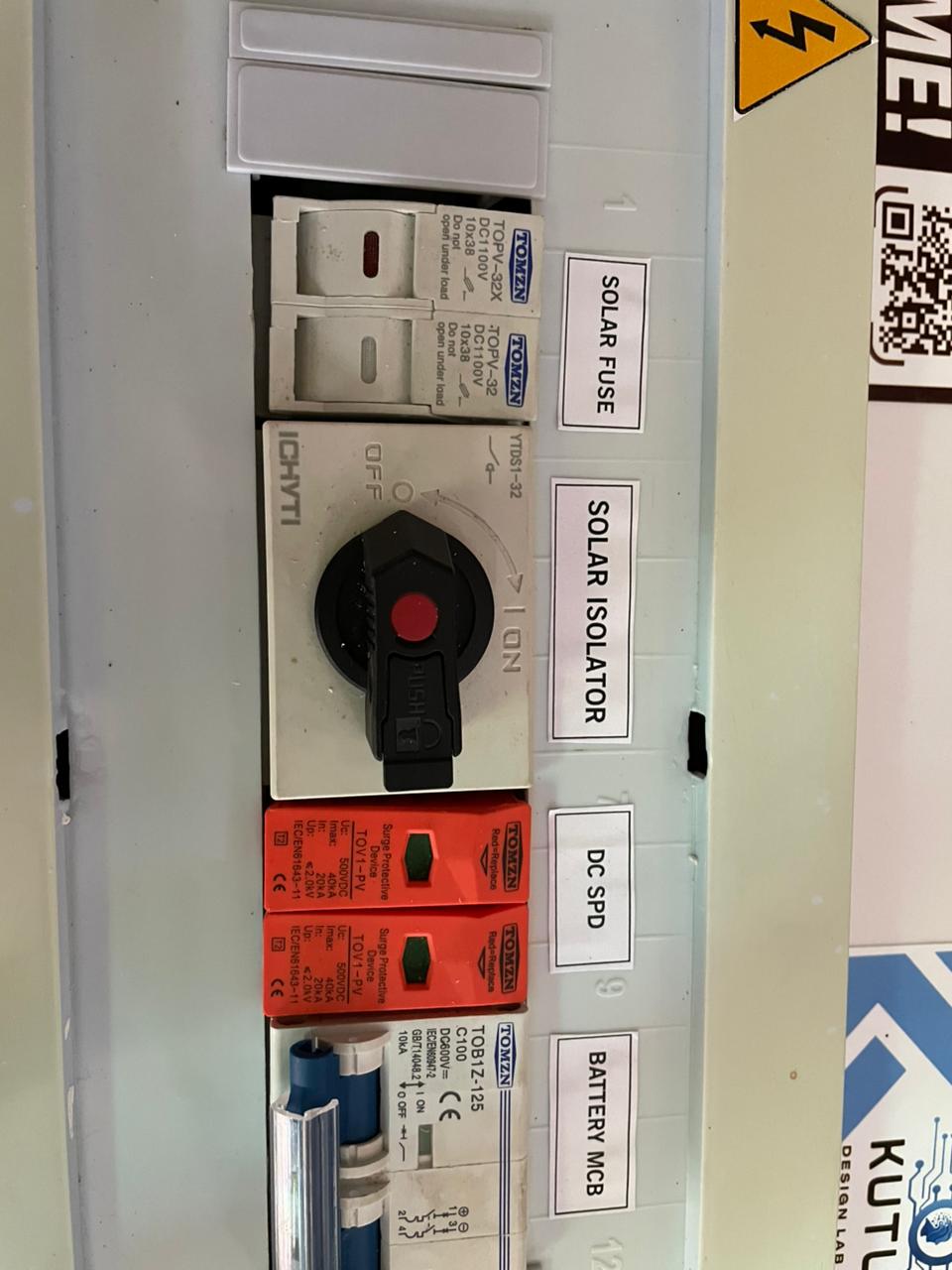
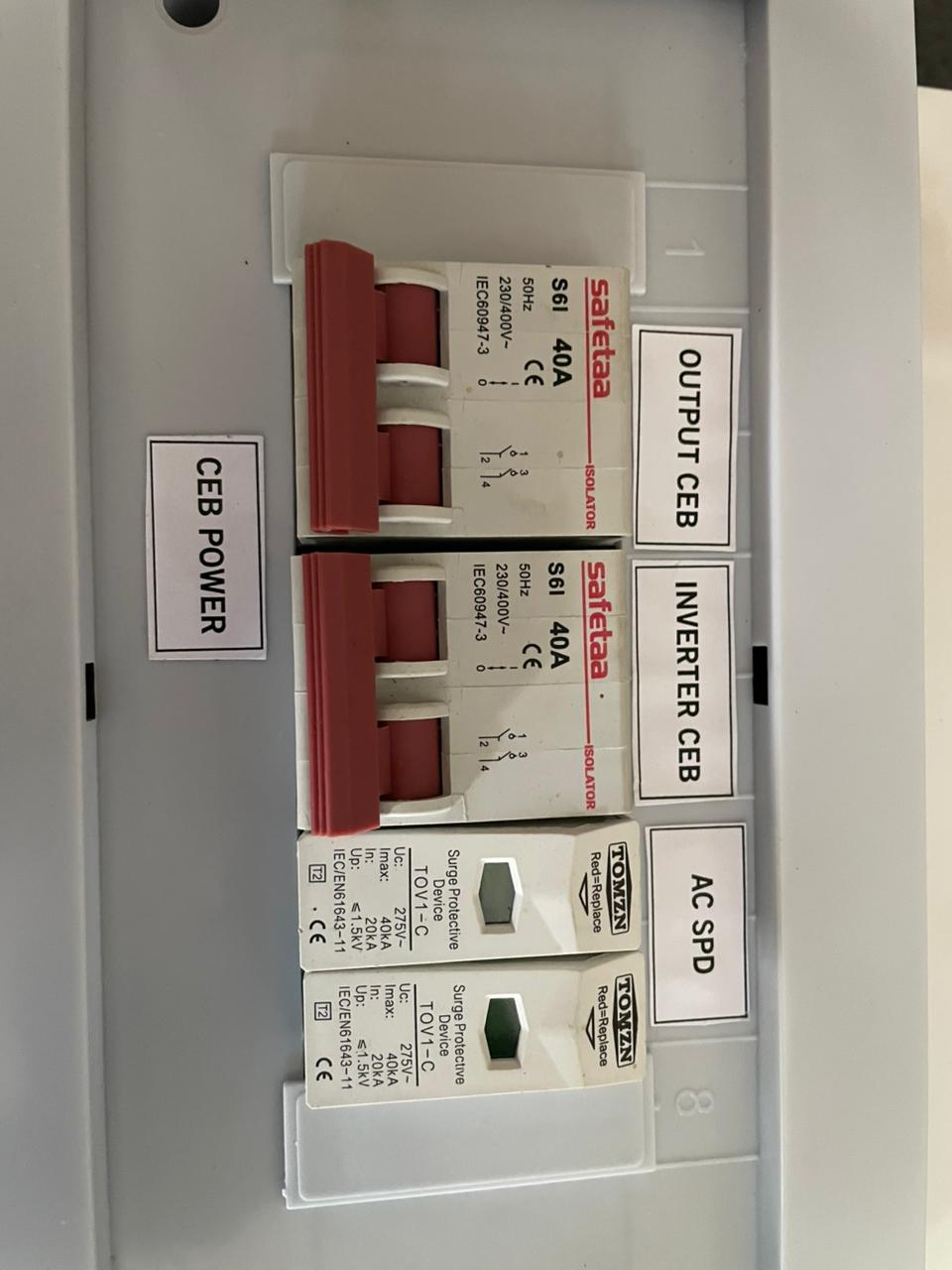
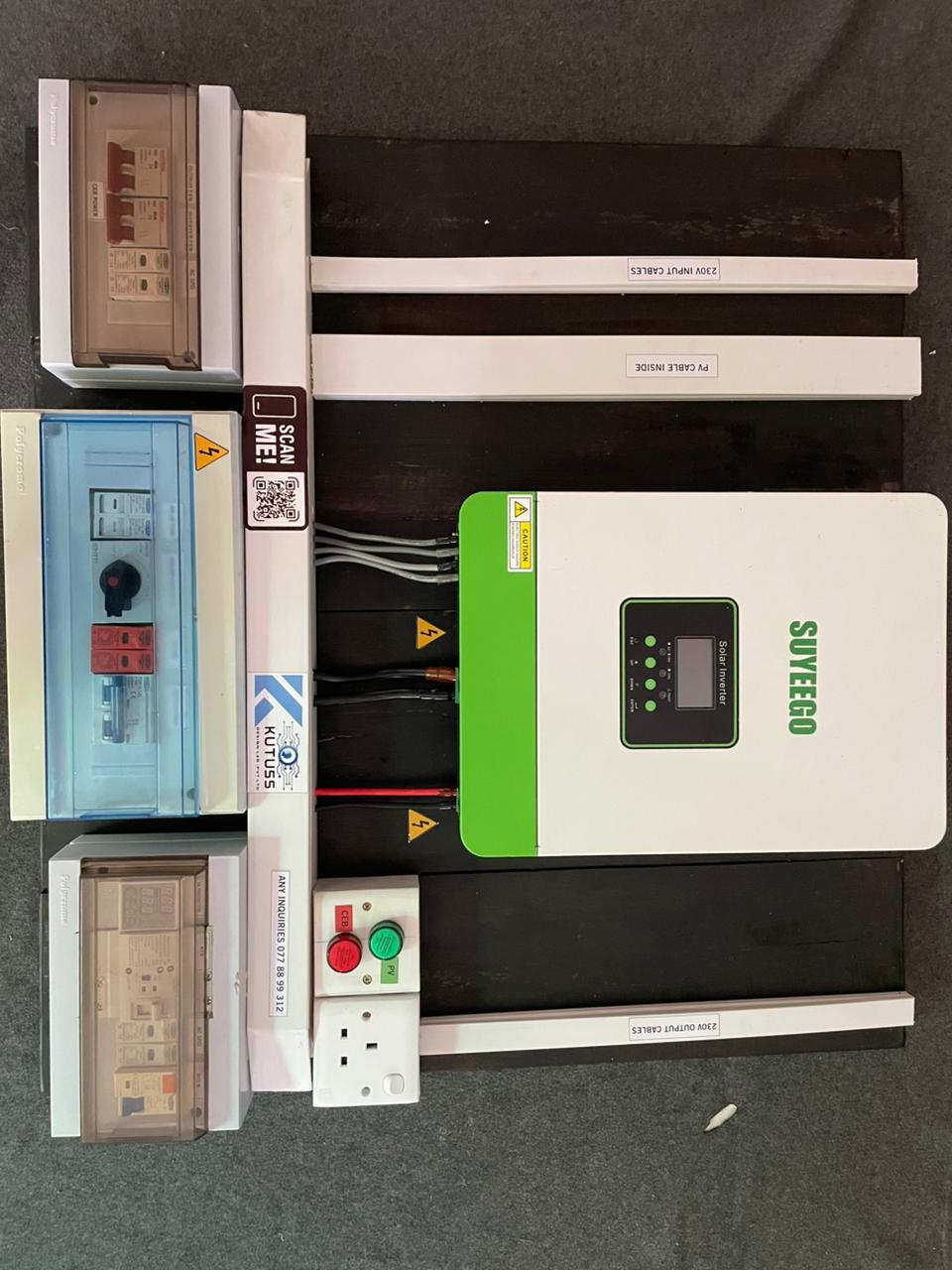
A showcase of our high-quality solar system installations across the island.
 Kutuss Design Lab
 Kutuss Design Lab
 Kutuss Design Lab
 Kutuss Design Lab
 Kutuss Design Lab
 Kutuss Design Lab
 Kutuss Design Lab
 Kutuss Design Lab
 Kutuss Design Lab
 Kutuss Design Lab
I can help you calculate the exact system based on that. Get our expert service.